A foodie's quest to turn up the heat through strength and conditioning with whole food and a hungry mind.

Showing posts with label stew. Show all posts

Monday, June 4, 2012

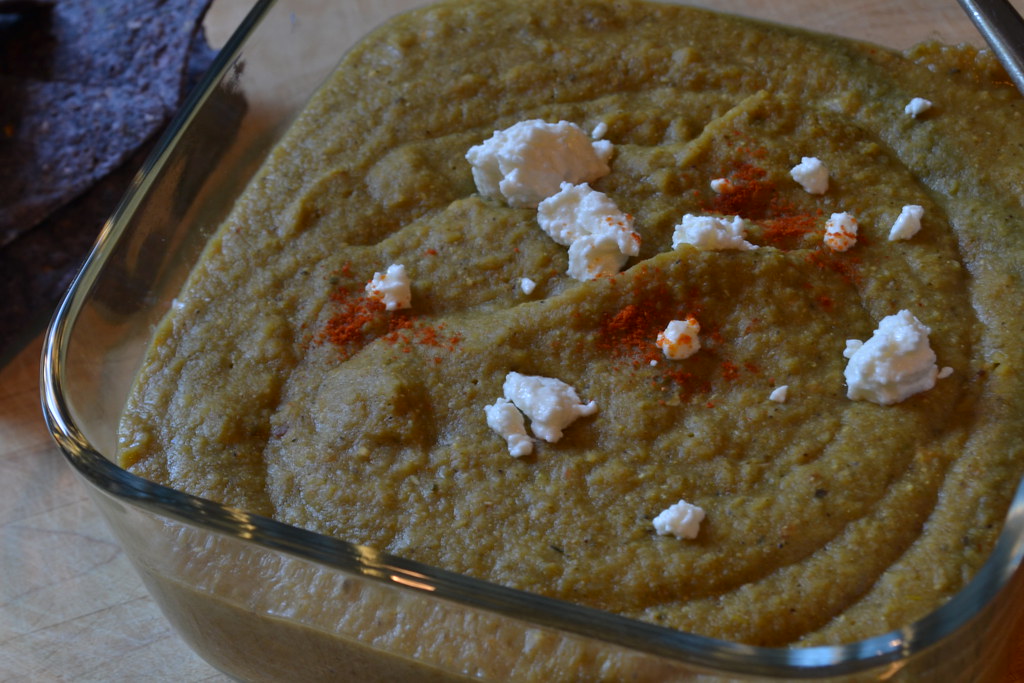
Why is My Slow Cooker “White” Bean Puree Green?


Meatless Monday is something that more of us should recognize. And it doesn’t have to be Monday, it just rolls off the tongue better; kinda like “Thirsty Thursday” (ahhh, the college days), and “Wheat-free Wednesday.” Oh, and how can I forget, What I Ate Wednesday!!! That’s a fun one for a lot of Foodie Bloggers; myself included.

As a supporter of blending, mixing, or processing foods into a rich and creamy mishmash of intense flavor, I tend to create a lot of purees for Meatless Monday Meals. Some of you may wonder why this “white” bean veggie fusion is green instead of, well, white. Or maybe you’re a frequent master o’blending too and know that adding healthy doses of green veggies will do the trick.

Was this just a dumb question? I don’t think so. Even though I did add broccoli to the cumin-intense melting pot of veggies, okra is the main culprit of the green. Yep, okra, a veggie I feel is often overlooked unless you’re a Cajun or eat recurrent amounts of gumbo. Next to Brussels sprouts and mushrooms, okra is one of my top favorite vegetables to eat alone, dehydrated, or added to any dish.

I posted the copious amount of benefits okra provides and a couple recipes that can be found here. Did you know another name for okra is “lady fingers”? Makes sense when you look at whole okra, but it sucks to be that lady!

The slippery mucilage in okra acts as a natural “binder” which, when added to purees creates a consistency worth dipping for. I savor thick soup purees that can double as a dip, and okra supplies what I need to make it happen!

Kelley, my dear wife, is repulsed by okra, but this puree is today’s lunch and she’ll be reading this too late….sorry, Kelley. Yay me if she says it’s good before she knows what’s in the mix! I added the goat cheese to help offset the possibility of a feud later.

That’s another advantage of serving pureed meals; you can add heaps of healthy foods not favored by others, and they may never know! Cooking for kids? Not a problem if you serve a healthy homemade blend of veggies and give it a fun name. I'd call this blend “Hulk Stew” for the little “Hulk(s)” in your life; they’ll love it!

Slow-Cooker “Green” White Bean Veggie Puree (a.k.a. Hulk Stew)

by RC Liley
Prep Time: 10 minutes
Cook Time: 4 hours

Ingredients (Serves 4 - 6)
  • 2 (15oz) cans drained and rinsed or 1 cup dried white beans; I used dried cannellini beans and soaked overnight, but any white bean will work.
  • 12oz bag of frozen cut okra
  • 10oz bag of frozen or fresh carrots
  • 12oz bag of frozen broccoli
  • 10oz bag of frozen diced green peppers, onions, and celery mix
  • 4 – 6 cloves fresh garlic; I love garlic, use less if you don’t
  • 1 T each of cumin, chili powder, dried oregano, dried parsley, and paprika
  • 2 t dried thyme
  • 1 t cayenne powder
  • 2 cups low sodium chicken or vegetable stock; I used about 1/2 cup of Pacific Natural Foods French Onion Soup for extra flavor, but not too much as it’s high in sodium!
  • 2 T balsamic vinegar
  • Optional: Creamy goat cheese to crumble on top or blend into potentially mad wife’s portion; or just because it’s good.
Instructions
Add all ingredients to slow cooker (you may need more liquid, but I like to make sure it’s really thick) and cook on high for 4 hours.
Puree everything together with an immersion blender right in the pot, or scoop out into blender and puree in batches. Be careful if using a blender; heat expands and you’ll have a hot mess all over you and your kitchen!
Garnish with extra paprika, parsley, and crumbled goat cheese if desired
Serve with your favorite chip for dipping; try it hot or cold
Powered by Recipage


Thick soups/stews are easy to make and a lot of fun! Add a side crunchy chips or hearty whole grain crackers for dipping and skip using a spoon altogether!
 
Q: How do you your soups/stews/dips? Hot or cold; thick or thin?

I guess it depends on the type of soup (thick miso soup would be weird), but cold and thick soups are my favorite in the summer!

Monday, February 6, 2012

The Weekly Routine.....with Grass-fed Roast Beef!!

Do you ever get bothered by going through the same conversation week after week? I am sure, for the majority of the working population, we go through the same conversation with people each week.

On Monday, when asked the all-too-common “How are you?” most of us give some type of generic response like “I’m good…. it’s Monday, ughhh.” As the week progresses, most responses form around whatever day we are on; “At least its not Monday,” or “Half-way there, almost Friday!” This cycle, along with people always asking “What’s up?” or “How are you?” as they keep walking past you really gets to me. I’m just as guilty as the next person, but have been trying to stop asking unless I sincerely care to stop and know how a person is doing.

This routine has been weighing on me for a while, so I’m using my blog as a way to vent. I’d like to start responding with something related to food, but most people don’t care if I cooked Overnight Oatmeal Crisps or dehydrated okra and green beans with my new food dehydrator. But on my blog, the people reading actually do care (hopefully!) for my thoughts on food and health, so it’s nice to have Just Add Cayenne as an outlet. I just want to thank everyone who stops by to read this, if you like it, please share with others you know.

I’m done now. On to food!


On the topic of work and the weekly routine, I am excited about some of the meals I made for Kelley and me to have for work lunch. We very rarely buy beef or bison since it is pricey for the type of high quality meat we demand. While at the store, Kelley and I saw a lean cut of grass-fed beef and decided we should have some red meat this week. I already knew what I would do with this round cut……beef stew in the slow cooker! Kelley was/is excited to have this meal this week.

One thing I’ve been trying to work on is not taking so long in the kitchen so I can spend more time with Kelley. You might think “Really? Doesn’t she enjoy a husband cooking?” but I agree, I take way longer than usual. For example, I woke up at 7:45am on Sunday, and basically stayed in the kitchen up to 7pm. So, I constantly have ways to reduce time in the kitchen running through my head while still making 5 lunches ready to bring to work throughout the week. Kelley says I don’t have to do this, but it’s just my “thing” and I enjoy providing meals from home…….I really despise relying on going somewhere that I can’t control how my meal is prepared.

With time saving on the mind, I decided to use the slow-cooker with a healthy mix of garlic, onions, barley, veggies and the cut of beef on top. I let this cook on low for 8 hours while I cooked and prepared other food items for this week. In order to save time with the slow cooker (sound odd, huh?), I used half of the 1.1lb cut of beef for another dish. We have a meal with Jersey Sweet potatoes and a veggie bean mix just about every week, and I figured using slow roasted beef chopped and served with veggies and the potato would be a tasty change. Kelley liked the idea, so that was all I needed to be inspired for this simple dish. That’s 2 meals for us right there; actually 3 meals since I made enough beef and barley stew for leftover leftovers. No complaints here, this is an excellent meal full of flavor and nutrition!

I still made the other vegetarian sweet potato meal since it is pretty quick to make; steam the potato, steam the veggies and beans, season with herbs and spices, and it’s ready to go. For the final meal, I soaked dry black beans that I used for a hearty black bean with long grain and wild brown rice dish that is sure to please. Rice and beans provide an inexpensive meal that supplies you with complete protein and can take on many flavor variations.

We are looking forward to week full of healthy beef lunches; did you make anything you’re looking forward to this week? Next time you are confronted by a co-worker; try discussing something else like food instead of talking about what day it is or isn’t…..you’ll probably catch them off-guard.


For those that are curious, here are the ingredients used for the beef and barley stew:

- Onions, celery, 5 cloves of garlic, and red peppers sautéed for 3 minutes to bring out their natural sugars; all but the garlic came in a frozen 12oz bag
- Frozen broccoli, cauliflower, and green beans; I just used the whole 12oz bag for each
- 1/2 cup pearled barley
- Jar of salsa (use your favorite kind) and chicken broth to top off
- Without measuring, I added cumin, chili powder, paprika, ground mustard, cayenne, basil, cilantro, and thyme

Just give everything a good stir, pan sear the beef round on each side and place on top of everything. Put the lid on your slow cooker, set the heat to low, and wait until done.

Wednesday, January 25, 2012

Resistant Starches: Pleasant Food With an Unpleasant Name

Today’s lunch will be the slow cooker turkey, barley and vegetable stew I mentioned in yesterday’s post. For something so easy, I am really excited to have this today. It has been raining non-stop all night and still going, so a warm stew is an ideal meal (I rhymed!) for this weather.

I like this meal for its easy prep and little need to “dress up” the meat with seasonings; it’ll be surrounded by goodness for hours in the Crock Pot. I usually use chicken breast, but found a good deal on turkey breast that I couldn’t pass up.I add whatever frozen veggies we have, chopped garlic and onion, a whole grain like barley, season with herbs and spices (cayenne is always in there), put the meat on top then pour broth or an empty condiment mixture until the veggies are covered.
The meal is great and is on my list of comfort foods that warm me on the coldest days. I will sometimes skip adding a grain like barley if there is a lot of corn already in the frozen vegetables I used, but don’t be afraid to have both.

I am by no means a “carb phobe” and think it is rarely necessary to be so. Just choose the right kind of carbohydrates; meaning whole grain with as much of the grain layers intact as possible. A whole grain will contain three layers; here’s a simple breakdown of the layers provided by Arrowhead Mills:

- Outer layer (bran) holds up to 80 percent of the grain's total mineral value, including B vitamins and most of the fiber;

- Middle layer (endosperm) contains protein, carbohydrates, vitamins and minerals; and

- Small inner core (germ) houses concentrated amounts of B vitamins, vitamin E, protein, trace minerals, "good" unsaturated fats, antioxidants and phytonutrients—which cause damage from free radicals in the body.

Furthermore, how the grain has been processed determines the level of nutrients contained and the length of the cooking process. A great explanation of this can be found at this link; here’s a brief excerpt from the site:
“Groats, grits, steel-cut, rolled, puffed, pearled, cracked, flakes, and flour are the most common references, and all describe how the grain has been processed.
For example, groats are grains that have had their hard, inedible hulls removed but still retain their nutritious parts (germ, bran, endosperm).
How the grain has been cut or milled affects both texture (hence taste) and cooking time. Parboiled and cracked wheat, for example, is bulgur, which takes only a few minutes to prepare; on the other hand, wheat berries (the grain in its least-processed form) may take up to an hour to cook.”

Along with knowing which processed grain is more whole than the other, grains and other carbohydrates known as resistant starches are said to be better choices as well. As we know, starches are digested at different speeds depending on how they’ve been processed; resistant starch, on the other hand, passes through the small intestine and is not digested at all. Most starchy foods have some level of resistant starch, but beans and whole grains contain a higher percentage than other sources.

Need a reason to incorporate resistant starch foods in your diet? Here are several from About.com:

•Resistant starch is especially associated with one type of SCFA, called butyrate, which is protective of colon cells and associated with less genetic damage (which can lead to cancer). Butyrate also protects the cells in other ways. This is one of the real strengths of resistant starch over oligosaccharides and soluble fiber. Their fermentation does produce butyrate, but not at the levels of resistant starch.

•As with other fermentable fiber, resistant starch is associated with more mineral absorption, especially calcium and magnesium.

•Perhaps most exciting for people with sugar issues, resistant starch seems to improve insulin sensitivity. In the so-called "second meal effect", fermentable fiber and resistant starch are associated with improved glucose tolerance the next day. There is evidence that this is caused by the presense of the short chain fatty acids, and by a peptide produced in the fermentation process.

•Resistant starch produces more satiety, possibly partly through the release of a different peptide (PYY).

•Resistant starch consumption is associated with lower cholesterol and triglyceride levels.

•Promotes "good" bacteria, and suppresses "bad" bacteria and their toxic products.

•Promotes bowel regularity.

•Resistant starch in a meal is associated with less fat storage after that meal.

So, what makes a starch resistant? There are actually 4 types of starch qualities that would make them resistant…

1.Starch that is difficult for the digestive process to reach, often due to a fibrous "shell". Grains and legumes which are cooked intact are an example. Also, some altered starches, such as Hi-Maize corn starch, are in both this category and the next.
2.Some foods, such as unripe bananas, raw potatoes, and plantains, have a type of starch which our digestive enzymes can't break down.

3.Small amounts of resistant starch (about 5% of the total) are produced when some starchy cooked foods, such as potatoes and rice, are allowed to cool before eating.
4.Manufactured resistant starch, made by various chemical processes. It is not known whether these starches have the same benefits as those in the other three groups.

Feel overwhelmed? I do. It may take a while, but persistence to learn what is what will overcome confusion. Always be willing and able to feed your brain on how you feed yourself….it is your health, afterall.

Friday, August 12, 2011

Five for Friday: 5 Things to do With a Sweet Potato

Potatoes are an incredibly underrated vegetable. Both regular and sweet potatoes offer distinctive nutritional benefits, but are completely different vegetables from each other. These two potatoes actually come from two completely different families in the plant kingdom. While many sources hold sweet potatoes on a pedestal claiming they are far superior to the regular “baking” potatoes, they both have a welcome place in our diet.
Just like the regular spud, sweet potatoes come in many varieties and range in color from a pasty white to a deep red; each imparting unique tastes and textures. Although sweet potatoes do taste sweeter than their distant “white” cousins, they do not spike our blood sugar as much as the regular spuds. One reason for this is from the fact that sweet potatoes have almost double the amount of fiber than their counterparts; fiber plays a major role in slowing digestion and releasing sugar. Both varieties offer similar amounts of vitamins and minerals, but sweet potatoes come out on top for antioxidant content. So, don’t skip out on baked potatoes as they have a lot to offer in flavor and nutrition, but I want to focus on the sweet tuber today.
First, let’s look at how to select your sweet potato. WHFoods.com has great tips on how to select and store a sweet potato:
“Choose sweet potatoes that are firm and do not have any cracks, bruises or soft spots. Avoid those that are displayed in the refrigerated section of the produce department since cold temperature negatively alters their taste.
Sweet potatoes should be stored in a cool, dark and well-ventilated place, where they will keep fresh for up to ten days. Ideally, they should be kept out of the refrigerator in a cool, dry, dark place not above 60 degrees F / 15 degrees C, which would fit the characteristics of a root cellar. Yet since most people don't have root cellars, we'd suggest just keeping your sweet potatoes loose (not in a plastic bag, but if desired, a brown paper bag with multiple air holes punched in it will work) and storing them in a cool, dark, and well-ventilated cupboard away from sources of excess heat (like the stove).
After selecting a sweet potato or five following the tips above, here are some of my favorite ways to enjoy:
1. Sweet Potato Peanut Stew or BisqueEatingwell.com provides a great recipe I use and change as needed. Instead of the tomato juice their recipe calls for, I use canned chopped tomatoes; sometimes I toss some cubed and cooked chicken breast in after pureeing for a protein boost. The peanut butter provides healthy fat that enables the body to better absorb the beta-carotene in sweet potatoes.

2. Sweet Potato Pureed with Peanut Butter, Banana, and Honey – just like that, so good. Cube and steam the sweet potato in the microwave, throw all ingredients in a blender with a little milk, and blend away! This is great hot or cold and with or without roasted peanuts added for a little crunch.


3. Roasted Sweet Potato – either cut into fries or simply cubed, I love baking these in a 375 degree over for 30 – 45 minutes. The roasting brings out the sweetness of the spud and is even better with cinnamon sprinkled on top. For something savory, toss with whole garlic cloves, ground cumin, and parsley to roast in the oven; this is great served cold too!
4. Sweet Potato, Tomato, and Black Bean Salad – cubed and roasted or cooked in the microwave, mix the sweet potato with drained and rinsed black beans and fresh or canned chopped tomatoes; keep in the fridge to use as a quick go-to meal. Season with ground cumin, cayenne, garlic powder, and cilantro for extra spice; I like to use this mixture as cool topping on salad greens which is nice in this hot weather!  Try adding sliced avocado for a cool and creamy addition with extra nutrition.


5. Sweet Potato Pancakes – a great change from regular flour pancakes for a special weekend breakfast; try this recipe from Allrecipes.com, you will love it! I do not use as many eggs called for in the recipe, only 2 whole and 3 whites for me; also, I use half unsweetened applesauce and half non-fat plain yogurt instead of all yogurt. I whisk plain yogurt with peanut butter and honey to use for a tasty topping; sliced bananas with extra cinnamon is a great way to really up the flavor!

The potato is a versatile food and can be prepared in less than 10 minutes for when you have no time to spare. Kelley and I have found the Jersey Sweet Potato to be our favorite so far; we simply rinse and microwave for 4 -5 minutes and enjoy topped with plain, non-fat yogurt. Similar to my squash puree mixtures, I sometimes use cooked sweet potato instead; this makes for a very creamy and delicious treat when mixed with frozen berries or bananas.

Don’t be scared to eat more potatoes, both sweet and regular are great nutritional powerhouses. Buy organic so you can just rinse the skin and eat it to obtain the vital vitamins and minerals it has within. If you do not buy organic, you might be better off peeling the potato to limit the amount of pesticides you ingest.


How do you enjoy sweet potatoes?