A foodie's quest to turn up the heat through strength and conditioning with whole food and a hungry mind.

Showing posts with label roasted. Show all posts

Monday, April 18, 2011

Roasted Veggies: Tasty Cold or Hot

Do you ever wonder what that odd looking vegetable in your produce department tastes like, but don’t know what to do with it? When in doubt, just roast it! Roasting veggies is easy and a great way to try new things.

On your next shopping trip, make it a point to purchase one or two types of veggies you have never tried before along with some you know you like. Most people have tried carrots and potatoes; pick those up (if you like them) along with your new veggies of choice. Depending on what you get, you may need to wash and peel. I leave potato skins on unless they are really grungy since the skins offer a lot of nutrition, but carrots will get peeled before I eat them raw or cooked.  Try choosing different kinds of produce that are related to experience different types all at once.  For example, summer squash like zucchini and patty pan mixed with winter squash like acorn and butternut squash hits across a wide spectrum of squash to experience.


Take your new and familiar veggies and (after peeling if necessary) cut everything into similar sizes. Toss into a large bowl; add a light drizzle of olive or coconut oil, a few splashes of vinegar (I like balsamic), herbs and spices of your choice, and mix it all together. If I have some garlic lying around, I’ll usually add several cloves to the mix to help boost flavor and nutrition. Come on, have fun, use your (clean) hands to really mix it up!
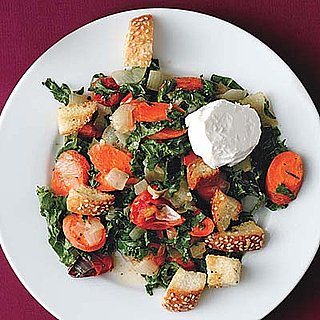
Roasted Veggies and a Dollop of Goat Cheese Makes for Happiness on a Plate.
Spread the mixture on a parchment paper lined baking sheet making sure everything is evenly distributed. Place on the center rack of an oven that’s been pre-heated to 375 degrees and roast for 45 to 50 minutes. Use a metal spatula to sift everything once or twice to allow even baking. Depending on the herbs and spices used, you’ll have a wonderful aroma fill your home with the scent of awesome goodness (it’s a scent, I swear).
Pull from the oven and try to resist the urge until slightly cool to avoid burning your taste buds off. Once cooled down a bit, enjoy your familiar veggies along with the new ones alone or as a side dish to a variety of meals. Roasting is such an easy way to try new things since it doesn’t take much thought but yields great flavor.

I try to find a new produce item to roast every week or two on my grocery trips. Paired with other staple veggies, I will roast a big batch that lasts almost all week. I use these as a way to add bulk and flavor to salads that can be put together in a flash after a long day at work.


This is a great way to get kids started on veggies because roasting carmelized their sugars making for a sweeter taste. Try roasting a red bell pepper for a super sweet treat your kids will love.
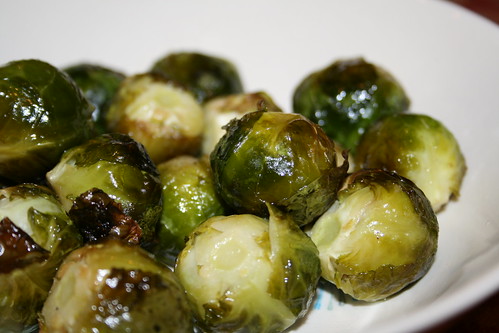


If you’re not a fan of brussel sprouts, this picture should help tempt you…..at least a little bit.


The options are limitless


If you are unsure or just hesitant to grab some new produce and roast it, here are a few good recipes to get you started.

Good and easy with one of my favorite items….Butternut Squash


Another recipe worth using.  I hardly ever use the amount of oil called for as it just hides the flavor of each veggie and adds unnecessary calories - http://www.cookingnook.com/roasted-vegetable-recipes.html


Here's a great recipe for roasted veggies with Quinoa.

Don't forget to pick up some new produce next time you are at the store and roast something tasty the whole family or friends can enjoy.  If you like it with a little kick....Just Add Cayenne!!

Wednesday, March 23, 2011

"Squash" Your Fear of Cooking

Squash, both winter and summer varieties, offer tasty nutrition no matter how it's prepared.  Many people feel that preparing and cooking squash is a daunting task that deters them from even trying.  Enter the blender, standing or immersion.  Preparing meals with a blender is simple and easy, and squash offers a nutritious base to a creamy and tasty hot/cold soup.


Summer squash is good in its raw form to eat with dips, shredded on salads, or sliced with salt and pepper on top. But cooked and pureed with other ingredients makes for an easy dish that's takes a small amount of time, but offers big flavor.  The most common summer squash varieties are zucchini and yellow squash; they are great sources of manganese, vitamins A and C, magnesium, potassium, copper, vitamin K, phosphorus, as well as B vitamins, calcium, iron and zinc.  Just don't toss the soft skin (wash it well though) because most of the nutrients are contained there. 


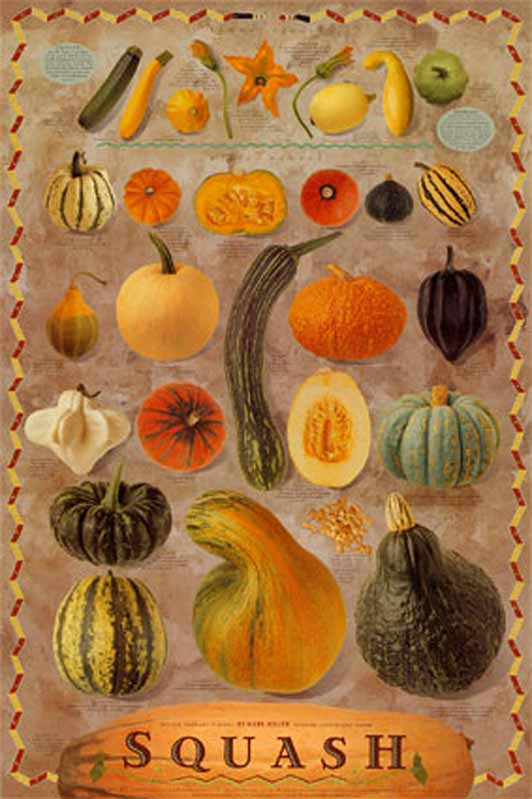
Although it offers a lot, winter squash provides more nutrition as it contains less water than its cousin, summer squash.  Several types of winter squash are Acorn, Banana, Buttercup, Butternut, Delicata, Hubbard, Spaghetti, Turban, and Pumpkin.  Winter squash contains a great amount of beta-carotene, vitamin C, potassium, manganese, dietary fiber, vitamins B1, B3, B5 and B6, folate, copper, tryptophan, and omega-3-fatty acids.

To begin your journey on cooking squash soup, lets start with the cooking directions first.  Then, add or remove ingredients as you see fit to create your own unique variations. You can use these instructions as a basic outline to follow when creating your easy squash soup.


  • Over medium-high heat saute any aromatics (onion, garlic, ginger, shallots, etc.) you are using in cooking spray or olive oil for about 4 minutes or until brown.  This will add depths of flavor to your soup and stimulate the senses.
  • Toss in the squash of your choice, add broth, bring to a boil and cover.  Lower heat to a simmer once covered and cook for 10 - 20 minutes, or until squash can be easily pierced with a fork.
  • Remove from heat once squash is tender and allow to cool-down for 10 minutes before blending.  Blenders + Hot Food = Big Mess!
  • Blend in the pot if you have an immersion blender, or add to your standing blender and blend.  If using a stand blender, only fill halfway so the contents don't overflow.
  • Serve hot, cold, or at room temperature....it's good any way you have it!


Summer Squash Soup Ingredient Idea

- Cooking spray, olive oil, or nothing if using a non-stick pan
- Medium yellow onion
- 3-4 garlic cloves; more if you love garlic like me; they can stay whole or chopped since you'll blend everything anyway
- 1tsp Cumin
- 1 tsp Cayenne
- Parsley or Chives to sprinkle on top as desired
- About 8 medium-sized zucchini, yellow squash, or a mix
- 3 to 4 cups of broth

Winter Squash Soup Ingredient Idea

- Cooking spray, olive oil, or nothing if using a non-stick pan
- Medium yellow onion
- 3-4 garlic cloves
- 1 tsp grated, fresh ginger or ginger powder
- 1 tsp cumin
- 1/4 tsp cayenne
- 1 pound of butternut squash or pumpkin, peeled and cubed; you can buy these already pureed in cans to make cooking easier
- 1 Poblano or Jalapeno pepper (optional)
- 3 to 4 cups broth
- fresh or dry parsley, basil, or oregano to garnish


*Sometimes, I will toss in some sweet potato in with the winter squash, or lentils to either type for more protein and a thicker soup.  Also, nothing has to be perfectly chopped since it will all be blended anyway, but make sure everything is the same size for even cooking. 
**Try mixing greek yogurt in when you blend or just on top as garnish for extra protein.  Make your dish a full meal by adding lean chicken sausage or ground beef with a side of crusty whole grain bread.

For more info on squash varieties and cooking methods, visit http://whatscookingamerica.net/squash.htm.

Monday, March 14, 2011

Low-Fat and High Fiber Garbanzo Beans


No, although very similar, these beans have nothing in common with any character from Sesame Street.  Garbanzo beans, or chickpeas (both the same thing), are a fun, tasty, and versatile ingredient in many dishes. 

Whether served sweet or spicy, cold or hot, there are many benefits provided by chickpeas:
  • Fat free source of protein, folic acid, manganese, iron, copper, magnesium and molybendum.
  • Lower risk of heart disease: Regular consumption of chickpeas or garbanzo beans can lower bad cholesterol and total cholesterol levels.
  • Iron: Chickpeas can boost your energy because of their iron content. Iron is an integral component of hemoglobin, which transports oxygen from the lungs to all body cells. 
  • Weight Loss: Due to high fiber content, chickpeas are good for weight loss diets by keeping you fuller longer. 
  • Manganese: An essential cofactor in a number of enzymes in energy production and antioxidant defenses.
  • Calcium: Some sources quote it as equal to milk and yogurt.
  • Good for women: Garbanzos contain phytochemicals called saponins, which act as antioxidants, could lower the risk of breast cancer, and protects against osteoporosis. They also minimize hot flashes in post menopausal women.
To incorporate these little spheres in your diet, try topping your salad with some right out of the can (be sure to rinse first if high in sodium), or blending with garlic, tahini, paprika, parsley, touch of olive oil, and red pepper for an awesome hummus. 
Use cut up raw veggies instead of chips for more nutrition and less calories.
They're also great in making healthy, low-fat desserts like these bean brownies from a previous post; just use garbanzo beans instead of the black beans.
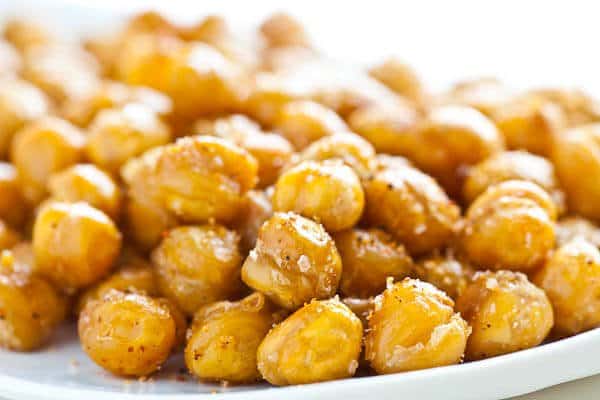
If you don't feel like going through the prep-work for muliple ingredient recipes, but would like something more than just chickpeas from a can, try toasting a can using your favorite seasonings.
Here's a recipe to help get you started:
Ingredients
  • 1 (14oz) can chickpeas (garbanzo beans), drained
  • 2 tablespoons olive oil
  • salt & pepper
  • garlic powder
  • cumin
  • cayenne pepper
Directions

1. Preheat oven to 450 degrees F (230 degrees C).

2. Blot chickpeas with a paper towel to dry them. In a bowl, toss chickpeas with olive oil and spices, try your own variations to create new flavors. Spread on a baking sheet, and bake for 30 to 40 minutes, until browned and crunchy. Watch carefully the last few minutes to avoid burning.

They don't always look this pretty, but they all taste great!!
For more ideas on how to use garbanzo beans, check out allrecipes.com.

As usual, if you feel your recipe is lacking a certain something.....just add cayenne!  Now go make some chickpeas!

Tuesday, March 1, 2011

Ehhhh...What's up Doc?

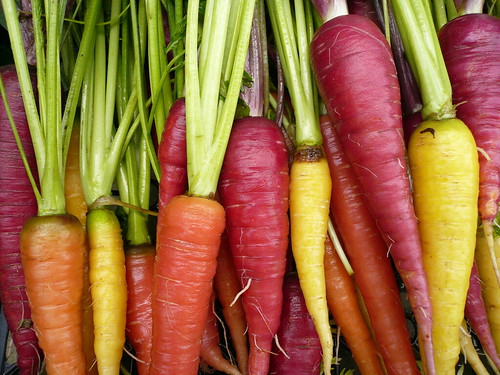
This is a question you won't have to ask very often if you're like Bugs Bunny and consume carrots on a regular basis.  Of course it's important to include a good variety of fruits and vegetables in your diet, but just carrots alone have so much to offer.

One of the least expensive things I do is purchase organic carrots in bulk for $.99/lb, peel them, and cut them up into bite-size sticks.  They make for a great snack with mustard, peanut butter, or just by themselves.  Also, cooking these tasty underground plants really bring out their natural sweetness.  For a quick fix, I will just microwave steam them with other veggies I have around, but roasting with an assortment of root veggies is a great treat.

To make the roasted veggies I posted about on Sunday, I just chopped everything up to a similar size and roasted on a big cooking sheet/pan in a pre-heated oven at 375 degress for 50 minutes.  Just make sure to stir the vegetables around at least 3 times while cooking.  The veggies I roasted included, maroon carrots (first time for me to try), gold beets, purple potatoes, red onion, 7 or 8 garlic cloves, cherry tomatoes, and rutabagas.  You can add any spice you like to the mixture....I used cayenne, cumin, italian herbs (rosemary is great when roasting, but I was out), a drizzle of olive oil and balsamic vinegar.  Most recipes call for more than just a drizzle of oil, but, although olive oil is healthy, its better when not heated (like on salad) as a lot of its beneficial properties are damaged when exposed to prolonged heat.


Carrots are easy to make a part of your diet, and you will be happy to add them.  Here is a quick list with some of their benefits:
  • Boosting immunity (especially among older people).
  • Reducing photosensitivity (beta-carotene protects the skin from sun damage).
  • Improving symptoms of HIV.
  • Easing alcohol withdrawal symptoms.
  • Helping to heal minor wounds and injuries.
  • Reducing the risk of heart disease.
  • Reducing the risk of high blood pressure.
  • Cleansing the liver, and when consumed regularly, can help the liver excrete fats and bile.
  • Fighting bronchitis.
  • Fighting infection (vitamin A keeps cell membranes healthy, making them stronger against disease-causing microorganisms)
  • Improving muscle, flesh, and skin health.
  • Helping fight aneamia.
  • Reducing acne.
  • Improving eye health.
Source at this site.

For more info, a great information source is http://www.whfoods.com/.

An extra bonus to eating carrots is that you can have fun repeating the classic Bugs Bunny line each time you snap into the sweet flesh of a crisp, fresh carrot.

As always, when in a food flavor bind......just add cayenne!!

Sunday, February 27, 2011

Weekday Lunch Prep on Sunday

Do you ever find yourself in a rush to make a meal for the next day?  Try making multiple meals over the weekend to bring with you for lunch during the week.  Yes, it's time consuming and no fun spending your precious weekend in the kitchen....although it can be really enjoyable if you allow.  Also, you might enjoy the freedom to come home from work and not deal with cooking something then.

I usually spend most of the day on Sunday preparing meals for Kelley and me to take to work, and enjoy most of it.  This includes peeling carrots, turnips, jicama, or other raw veggies to chop into bite size snacks for work and home.  Then, after a brief discussion on certain combos Kelley and I would like, the oven is on, and at least 3 stove-top burners are chumming away for hours.

Today I decided to take some pictures of some of the food prepared for the week.  A lot of the components in these meals have their own unique benefits that I will list out over this next week.  For this post, just enjoy the pictures (nothing spectacular, but the food is good) and please send any comments if there are certain food items you'd like to know more about.

Baked Kale Chips
 These kale chips are a great alternative to other chips, and they are a big hit!
Chicken stuffed with smoked goat cheese, spinach, and red bell peppers

The chicken was paired with roasted cubed sweet potatoes with spices and steamed broccoli.  Can't wait for lunch when we bring this meal!

Medley of maroon carrots, rutabagas, gold beets, garlic, red onion, purple potatoes, and tomatoes to be roasted.
 First time to try those Maroon Carrots, they tasted great raw and after being roasted.  Those were a welcome addition to our diet for the week.
Medley all mixed with some olive oil, balsamic vinegar, and a few spices

Also made quinoa with canned tuna and veggies, and Adzuki beans with tomatoes and lentils.

Stay tuned for future posts to further delve into some of these foods and their benefits.