A foodie's quest to turn up the heat through strength and conditioning with whole food and a hungry mind.

Showing posts with label mustard. Show all posts

Wednesday, January 18, 2012

What to do with your empty condiment bottles...

Mustard is awesome.  I've posted about it before, and for good reason....it's low calorie, minimal ingredients, and intense flavor can spruce up dull dishes.

If you are a fan of mustard and go through a bottle pretty fast, don't toss it once you are done.  The mustard on the sides and bottom that just won't come out can add flavor to another dish.  Simply fill the empty container with water, broth (chicken, fish, beef, or vegetable) and shake to get everything off the bottom and sides.  Now you have a flavorful liquid to use next time you cook a grain, soup, or anything requiring liquid.

I do this every week and find that it cuts down on having to purchase more chicken stock at the store.  Remember, when using the empty bottles for the liquid in cooking, you don't need to add any or as much salt since most condiments have enough already.

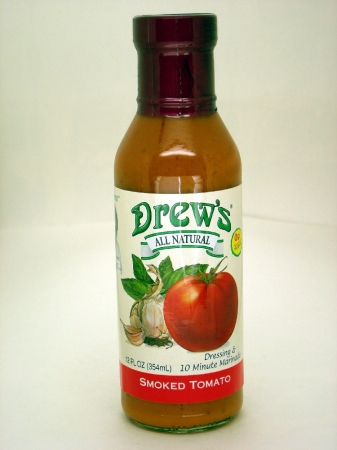
This simple trick can be used for any of your other favorite condiments too; tabasco, salad dressing, ketchup, salsa, etc.  Kelley has a very tasty smoked tomato salad dressing that I fill with water or broth after she is done and use it for cooking one of our meals for the week.  I use salsa for salad dressing and do the same with empty salsa jars too.

Next time you come to the end of a condiment bottle like mustard, add water or chicken broth if you have it, and cook brown rice, quinoa (our favorite), beans, or a combination.  Adding some extra spices is always good too; cumin, turmeric, garlic powder, paprika, cayenne, and black pepper are several spices that pair well with mustard and most other condiments.

Here's an example of what I do:

After Kelley finishes her bottle of Drew's Smoked Tomato salad dressing, I fill it with water and some broth then shake really well.  I put a sauce pan on medium high heat, sweat chopped garlic and onions for a few minutes, then add quinoa to let it get lightly toasted.  After a minute or two, I'll add the filled bottled of salad dressing to the pot.  Oops, not enough liquid!  What else is there?!  Oh, empty salsa works....add water to salsa jar, shake, and pour into sauce pan.  Phew, close call, now there's enough liquid.

I then follow up with tossing a few frozen veggie mixes in the pot, add meat or beans, toss in herbs and spices then bring to a boil.  Once everything is boiling, I lower the heat, cover and let simmer for 15 to 30 minutes.  Once finished (quinoa turns translucent once cooked), I remove from heat, stir, and transfer to our glass Pyrex dishes for a tasty lunch at work.
Look around your fridge and pantry and plan ahead on what to do when that bottle runs out.  What will you make with your leftover bottle?

Tuesday, August 16, 2011

Is Mustard The Healthiest Condiment? – My 100th Blog Post!!!

Are you someone who puts mustard on (almost) everything? If so, you are not alone; I love adding the yellow condiment directly to pretzels, carrots, mushrooms, broccoli, etc. Mustard also makes for a great flavor-enhancer when mixed with salsa or pureed beans and soups. No matter how you savor mustard’s sharp taste, there are numerous benefits provided for doing so.
Ancient Romans mixed unfermented grape juice, known as "must", with ground mustard seeds to make "burning must", mustum ardens — hence "must ard". Mustard is made from the seeds of a plant belonging to the cabbage family; this family is known for containing compounds that inhibit the growth of cancer cells. Similar to my favorite spice, cayenne, mustard’s sharp bite helps to break up congestion, reduce pain, and work as an anti-inflammatory. Another plus is the low calorie amount of 5 to 15 calories per serving, depending on the ingredients.
There are many types of mustard available; each with their own unique flavor and specific uses. The smooth, creamy type makes for a great dip, while coarse-ground applications are uses in marinades to coat fish and meat. Here are some of the most common types of mustard:

Yellow mustard – This is the top choice for hot dogs, hamburgers, deviled eggs, and sandwiches. A common brand is French's.
Dijon-style mustard - The two most common are Maille Dijon from France and Grey Poupon made in America. Maille is more assertive in flavor than Poupon; Grey Poupon, which is made by Kraft Foods, has a milder flavor that is perfect for delicate fish and salad dressings.
Whole-grain (aka coarse-ground) mustard - The rich, deep flavor compliments lamb and chicken dishes as a marinade or to create a simple sauce.
Brown or deli-style mustard – Has a more robust, instead of tangy, mustard flavor and pairs wonderfully in deli sandwiches and bratwurst. My favorite brands are Gulden’s and Plochman's.

I like to try as many varieties as possible, but some of the combinations can become expensive. My answer to expensive prepared food? Make it yourself! Here’s a great, simple recipe to get started making mustard today:

Homemade Mustard

• 6 tablespoons mustard seeds
• 1/2 cup mustard powder
• 3 tablespoons vinegar (cider, white wine or sherry)
• 1/2 cup white wine or water
• 2 teaspoons salt

OPTIONAL
• 2 tablespoons honey
• 2 tablespoons grated fresh horseradish, ginger, or garlic
• 1/4 cup minced fresh herbs (really any kind)
• Use beer, liquor, or sake to replace part of the liquid and create a distinct flavor
1. Grind the whole mustard seeds for a few seconds in a spice or coffee grinder, or by hand with a mortar and pestle. You want them mostly whole because you are using mustard powder, too. * Try dry toasting the mustard seeds in a skillet before grinding to bring out a nice flavor.*

2. Pour the semi-ground seeds into a bowl and add the salt and mustard powder. If using, add one of the optional ingredients, too.


3. Pour in the vinegar and wine or water, then stir well. When everything is incorporated, pour into a glass jar and store in the fridge. Wait at least 12 hours before using. Mustard made this way will last several months in the fridge.

 
Adding turmeric as one of the spices is what gives the common yellow mustard its color. Aside from color, turmeric is a great addition for its beneficial properties. Turmeric is useful as a digestive aid, anti-inflammatory, and a cancer fighter. Curcumin is the chemical compound within turmeric that’s responsible for these healthful properties. When making mustard, add some turmeric for health and to get that pleasant yellow color.

I like mustard on a lot of things like carrots, mushrooms, hard and soft pretzels, hard boiled eggs, and tomatoes. When mixed with salsa, mustard is a great fat free salad dressing or dip. Also for dips, mix some spicy brown mustard in fat free refried beans for a good dip. Do you hate when your bottle is empty but it seems like so much is left on the sides? Add water, beer, or broth to the bottle, shake, and use to cook brown rice, soup, lentils, or any other ingredient that requires liquid. You will extract everything from the precious bottle and have a low cost way to add flavor without high calorie and expensive oils.

If you are not a fan of mustard, you’re missing out. I urge you to try making your own; it’s a fun way to learn something new and appreciate your creation by eating! I would like to end today’s post with a very necessary (for me) link on how to remove mustard stains. Enjoy!

For further reading on Mustard, check out Wikipedia.