A foodie's quest to turn up the heat through strength and conditioning with whole food and a hungry mind.

Showing posts with label herbs. Show all posts

Monday, September 10, 2012

Why You Should Add Fennel and Fenugreek to Your Diet


Oh joy, it's Monday again.  The weekend felt like it went by too slow and now I'm saying T.G.I.M (Thank Goodness It's Monday). That's all a lie, obviously, who wants to work/go to school/do anything? Not me.

But, I am happy that Kelley and I finally used our Groupon to go kayaking at a local lake on Sunday. She's never been, and I've always wanted to take her.  We both got in our own and paddled around for a while, but I kept leaving her behind.  So, we went back and got in a 2 person kayak so I could do most of the paddling.  She helped some, but I was happy to paddle my wife around the water.  It was a great time and we have one more Groupon to use before the end of this month?  Hoping for next Sunday!!

The weather has been cooler here in Texas.  Instead of 105 degrees, it's only getting up to 95 degrees; 10 degrees makes a world of difference.  Especially when you work out in your garage; I actually had some energy left after yesterday's workout!  Lunges, lunges, dead lift, squats, lunges, and did I say lunges?  Yeah, I feel it today.


Luckily, I had this easy and delicious spinach and egg white scramble to fuel me up with healthy goodness.  Honestly, I meant for this to be an omelette, but really jacked it up, so why not just throw it all in a bowl?  I think adding salsa on top would've been a great addition, but my mustard smiley face was perfect.  Egg whites and spinach for breakfast are pretty satisfying, I'll be having this more often!

Aside from it's already healthy components, I added two tasty and functional flavors to boost nutrition.  One powder from the licorice flavored vegetable, fennel, and the other from an herb, fenugreek.  Both of these have very distinguishable flavors that stand out in dishes. For that reason, you have to be careful because too much could ruin a dish.

These are both new functional flavors I've started to add to my diet and hope to feel a difference after using for a while.  Fennel and fenugreek are known for alleviating annoying digestive issues (what? we all have them!) along with several other ailments.

Here's a sample of fennel's multiple health benefits, as listed on Organicfacts.net:

The health benefits of fennel include relief from anemia, indigestion, flatulence, constipation, colic, diarrhea, respiratory disorders, menstrual disorders, eye care, etc. Fennel, bearing the scientific name Foeniculum Vulgare Miller, or its essence, is widely used around the world in mouth fresheners, toothpastes, desserts, antacids and in culinary.

Fennel is diuretic, i.e. increases amount and frequency of urination, thereby helping removal of toxic substances from the body and helping in rheumatism, swelling etc. It also increases production and secretion of milk in lactating mothers and since this milk contains some properties of fennel, it is anti flatulent for the baby too. It strengthens hair, prevents hair fall, relaxes body, sharpens memory and has a marvelous cooling effect in summer if the pale greenish-yellow water, in which it is soaked, is taken with a bit of sugar and black-salt.

And no, I am not using it for production of milk in my breasts. I'm neither lactating or a woman; the indigestion and stomach relief is what I'm after. Read the full benefits of fennel here.

Fenugreek's health benefits, also listed on Organicfacts.net, are:


The health benefits of fenugreek include anemia, pregnancy, lactation, digestion, loss of taste, fever, hair care, dandruff, stomach disorders, biliousness, respiratory disorders, mouth ulcers, sore throat, diabetes, inflammations, wounds and insomnia..

Most of these benefits of fenugreek are due to the presence of saponins and fiber in it. Fenugreek is also used for herbal healing. Its seeds contain a gumming substance called mucilage. Mixed with water, mucilage expands and becomes a gelatinous soother for irritated tissues.
Fenugreek is used to treat wounds, inflammation and gastrointestinal ailments. Fenugreek helps in antioxidation. So, it prevents and repairs damages caused by free radicals. According to ayurvedic and Chinese medicine, fenugreek can be used for inducing labour and aiding digestion. It is also good to improve metabolism and health. Irritated skin condition can be soothed by the external application of fenugreek. Fenugreek is also used for fevers and muscle aches.
Fenugreek is considered to be a safe herbal food. It is used as a spice also and tastes oddly of bitter celeryand maple syrup.

Read more of fennel's health benefits here.
So, I'll be looking for more dishes to add this unique and flavorful powders to. Hopefully I can share some successful uses soon!
Make sure to check out my review and giveaway of Let's Do....Organic Coconut Flour. It ends this Friday!
Hope you have a wonderful Monday and we can all get through the week nice and smooth right into the weekend.
Have you ever used fennel or fenugreek?
Do you have any new herbs or spices in your diet?

Tuesday, January 31, 2012

What’s on your Spice Rack? 10 Healthy Herbs & Spices to Always Have Around

Think you can’t have great taste without adding something sugary, salty, or fatty? Think again. To create interesting flavors, I spin our spice rack around for every meal I make. Its fun to try new herbs and spices to see what you can make; sometimes good…. sometimes bad (sorry, Kelley), but always healthy. If you aren’t using the following 10 herbs and spices, start today to see how you can add taste and nutrition to your meals.

1. Cayenne Pepper – Of course this is the first on my list!!

If you want to add a lot of intense heat to your food, cayenne pepper is the best spice for the job. A tiny bit of cayenne goes a long way (I know from experience; so does Kelley….again, sorry dear), so start with very little and work your way up to what you’re comfortable with. Several reasons to “just add cayenne” include its ability to relieve congestion by clearing mucus from the lungs and nose, boost immunity, prevent stomach ulcers by killing bacteria, help with weight loss, reduce blood cholesterol, triglyceride levels and platelet aggregation, prevent many types of cancer, and relieve pain. Use it in anything you want to make spicy; vegetables, salad, chili (duh), corn bread, various dips, soups, and even chocolate (you have to try it). An interesting note: The hotter the pepper, the more capsaicin it contains.

2. Black Pepper

Slightly spicy and incredibly versatile, it’s no surprise that black pepper is the most common spice in the world. Black pepper is a great way to top off anything from eggs and salad to cooked grains and meat. For the best flavor and health benefits, freshly grind whole peppercorns using a pepper mill or coffee grinder. Black pepper has antioxidant and antibacterial properties; it improves digestion, helps prevent intestinal gas, is diaphoretic (promotes sweating), and diuretic (promotes urination). Black pepper provides high-quality amounts of manganese, vitamin K, iron, and the peppercorn’s outer layer is said to promote the breakdown of fat cells.

3. Cinnamon

Cinnamon is one of the best spices around as it can be used in a variety of dishes. It is a very potent spice, and only a little cinnamon is needed to bring its signature intense flavor to a dish. Cinnamon aids in digestion, circulation, and helps to treat diarrhea, nausea, vomiting, and menstrual cramps. This spice is also well known for its blood-stabilizing abilities.

4. Cumin

A popular food spice, cumin has a deep smoky flavor that is used in a variety of dishes, mainly Mexican and Indian recipes. Cumin is one of the best spices for cooking because it can be used to add a smoky flavor without the spiciness of chile peppers. Cumin’s list of health benefits include aiding the digestive system, improves liver function, promotes assimilation of other foods, relieves abdominal distention, gas, and colic, as well as migraines and headaches. I put this on cooked foods and mixed into salads for a wonderful smoky salad.


5. Oregano

Oregano is a powerful antioxidant rich in phytonutrients. One gram of oregano contains 42 times more antioxidants than apples, 30 times more antioxidants than potatoes, 12 times more antioxidants than oranges and 4 times more antioxidants than blueberries. Two of the most important components of oregano are thymol and carvacol which have strong antibacterial properties. A study showed that in Mexico, oregano was more effective against amoebas than prescribed drugs. Fresh or dried oregano can be added to Italian and Mexican dishes, salads, egg dishes, vegetables, meats and more.


6. Cloves

Cloves are the top spice that contributes to the distinctive smell of Indian food and drinks like chai tea. Cloves, whether whole or crushed, have a strong flavor and are best used in small amounts. Sprinkle a bit of ground cloves in your coffee or tea for a nice chai flavor, or add a pinch to baking recipes for something sweet and spicy.


7. Turmeric

 
Turmeric ranks among the best spices for adding color to a dish, and has a warm, peppery flavor similar to ginger and orange; it’s what makes mustard yellow. Most of its benefits are from curcumin, a compound in turmeric that has potent antioxidant, antibacterial, and anti-inflammatory properties. This yellow-colored spice is the highest known source of beta carotene. Turmeric tones the spleen, pancreas, liver, and stomach, and strengthens the immune system, enhances digestion, it may help control blood sugar in diabetics, and it helps to dissolve cysts and gallstones.


8. Coriander / Cilantro

Coriander is known for being anti-diabetic, anti-inflammatory, and cholesterol lowering. It increases HDL (the "good" cholesterol), and may help reduce free radical production. Coriander is a good source of dietary fiber, manganese, iron, and magnesium. The leaves of the plant, commonly known as cilantro in the United States, may have anti-microbial and anti-bacterial properties. Dried coriander is used for making baked goods, as a component in curries, and as a pickling spice. Cilantro is best when fresh, but either dried or fresh, it makes great salsa and adds flavor to dips, spreads, soups, and stews.

9. Parsley

Parsley is found in two varieties, curly and flat leaf. Fresh parsley is more flavorful than the dried variety. The curly version tends to have a more intense flavor than the flat-leaf variety. Use it in soups, salads, and casseroles, or to top any savory meal with or without meat. Among parsley's beneficial properties is its ability to fight cancer; Animal studies have shown that it can inhibit tumor formation, particularly in the lungs. It's also known to reduce the effect of carcinogens including those found in cigarette smoke and charcoal grill smoke. As with most on this list, parsley is a rich source of antioxidants and essential nutrients like vitamin C, beta-carotene, and folic acid. It is also a great breath freshener and is commonly served at the end of a meal.


10. Ginger

Spicy and pungent with just enough sweetness, ginger should be in the kitchen of every home cook. Great for adding an amazing sharpness to Chinese and Japanese recipes or a touch of spice to baked goods like cookies and cakes, ginger is one of the most unique spices because of its usefulness. It is warming, stimulates digestion, and boosts circulation, respiration, and nervous system function. Ginger is an anti-inflammatory and is useful for colds and fevers, alleviates motion sickness and nausea, and destroys intestinal parasites.


You really can’t go wrong adding any herb or spice to your meals (unless you’re allergic), but these are what I consider some of the best to have and use daily. I think garlic powder deserves an honorable mention for the list, but this is best consumed as fresh cloves crushed and chopped in recipes.


How many of these do you currently have and use in your kitchen? If your answer was none or very little, make the change today and add some healthy zest to your next meal!
An example of how I add spices....And I wasn't done yet!!

Tuesday, May 3, 2011

Enhance Flavor & Boost Nutrition with Herbs

Anyone trying to cut back on calories but experiencing a loss of flavor should try adding herbs (fresh or dried) to meals. Herbs have plenty to offer in terms of distinct flavors and nutrients for our bodies. Herbs will add zest to a meal without the need for a lot of salt. If you find yourself at a loss when trying to prepare a healthy meal that still has flavor, try some of the herbs listed below.

Basil – Anti-inflammatory, high in magnesium, and high in Vitamin A
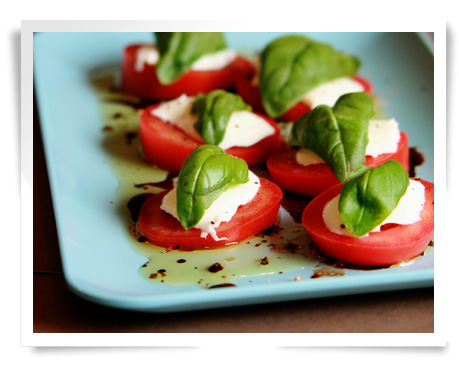
Great with tomatoes and mozzarella for an easy caprese salad. Basil pairs well with many foods including eggs, white fish, and basically all types of veggies. It is really good fresh or dried when mixed in a salad. Basil is a token of love in Italy, so it’s always good to have on hand when traveling abroad!

Parsley – Anti-cancer, Antioxidants, Immune system, and high in Vitamins A, C, & K

The curly type is served as a garnish in many dishes, and works as a breath freshener for after the meal. Italian parsley is a versatile herb that is a great addition to poultry, eggs, pasta, rice, potatoes, and all veggies. Try this chicken parsley recipe for a quick and healthy meal.

Oregano – Anti-bacterial, high in antioxidants and Vitamin C

Similar to and interchangeable with marjoram, oregano is known for its use in pasta and pizza sauces. It also goes well with fish, rice, and summer squash dishes. Make some happy taste buds with this pizza recipe, omit the chicken and add veggies for an awesome vegetarian pizza.

Dill – Anti-bacterial and good source of calcium, manganese, iron, and magnesium

A member of the parsley family, dill adds robust flavor to many creamy dips. Create a satisfying and healthy Greek dip with this Tzatziki recipe. Dill helps to calm our digestive system by soothing stomach aches and is also said to cure hiccups. Can’t hurt to try some Tzatziki dip next time you get a case of the hiccups!

Thyme – Anti-oxidant, antimicrobial, good source of iron and manganese

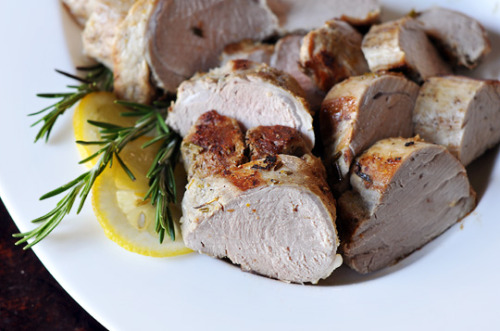
Yes, we all wish we had more of it…..to flavor our food that is. Thyme is a great accompaniment to most meat dishes and useful in flavoring stock for soups and stews. Serve this Thyme Roast Pork Tenderloin recipe for a great weekend meal packed with flavor!

Rosemary – Rich in B Vitamins, high in vitamins A &C, and good source of potassium, calcium, and iron

Another herb that make meat marvelous, but vegetables irresistible in this roasted veggie recipe.
This herb dries very well and and is also commonly used in household products for its pleasant aroma.

Cilantro – helps lower blood sugar, remove metals from the body, anti-inflammatory, good source of iron and magnesium

A cool fact on cilantro is that the seeds are what we know as the spice coriander. Cilantro is incredibly popular in Mexican cuisine, and mostly commonly known for its place in salsa and guacamole. Whip up this healthy guacamole recipe with Greek yogurt for your next gathering or just all for yourself!

Next time you are inspired to cook a meal or two, skip the salt and toss in a few of these herbs for a healthy dose of flavor! Also, for something extra in your dish, Just Add Cayenne!

Tuesday, March 15, 2011

Need Some "Thyme"?

We could all use more time....in the day and just life in general.  I found myself thinking this as I sat at work for another longer than 8 hour day.  I'm not complaining......too much, but my time would be better spent with Kelley and one day...around food at my own business.

But, another type of time we could all benefit from is the Thmye herb.  Like most herbs, there are many benefits to be derived from this flavorful plant.  Thyme pairs well with white fish and poultry dishes, or in a mixture for a sauce or salad topper.


A few noteworthy benefits Thyme provides, as listed on this site, are:

• Antioxidants - Thyme contains the flavonoids apigenin, naringenin, luteolin, and thymonin, which have antioxidant activity.

• Anti Fungal - A study at the Department of Pharmacology at the University of Milan in Italy has concluded that thymol, the major component of thyme oil, has the ability to interfere with the formation of candida.

• Mosquito Repellent - Carvacrol, p-cymene, linalool, alpha-terpinene, and thymol are all ingredients derived from the essential oil of thyme, and have been studied for their mosquito repellent properties. In the study all 5 ingredients effectively repelled mosquitoes, and alpha-terpinene and carvacrol showed significantly greater repellent activity than a commercial formulation, with thymol showing similar repellent activity. The duration effectiveness of all 5 ingredients was equal to or higher than that of the commercial mosquito repellent.

• Anti Bacterial - The thyme extract thymol is one of the ingredients in the anti bacterial Listerine mouthwash, which in studies has exhibited potent anti bacteria properties. In a study of the antimicrobial properties of 21 plant essential oils against 5 bacteria, of which Salmonella and E. coli were included, thyme oil was one of the most inhibitory.

• Anti Inflammatory - The thymol in thyme inhibits elastase, an enzyme that breaks down elastin, and is considered a marker of inflammatory diseases.

Making your own spice and herb mix is easy and better than store bought mixes that usually have other, non-nutritional ingredients added.  Just grab an empty spice/herb container, or some type of airtight container and mix the following items:
  • 2 tablespoons onion powder
  • 2 tablespoons garlic powder
  • 2 tablespoons dried oregano
  • 2 tablespoons dried basil
  • 1 tablespoon dried thyme
  • 1 tablespoon turmeric
  • 1 tablespoon cumin
  • 1 tablespoon black pepper
  • 1 tablespoon white pepper
  • 1 tablespoon cayenne pepper
  • 4 tablespoons paprika
  • 2 tablespoons sea salt
Add or leave out ingredients to create your own version.  Add this mix to anything lacking flavor or to just increase nutrition and flavor.

I will cut today's post short as I don't have the "thyme" for a really lengthy one.  Ok, sorry for the bad pun.

Have fun with creating a great spice mix and always be sure to make "thyme" (I broke my promise) for your meal creations.